“Electric aircraft” describes how at least part of the propulsion system delivers power; it does not always tell you where the energy comes from. A battery-electric aircraft stores electrical energy in rechargeable cells. A hybrid-electric aircraft combines electrical machinery with another energy source. A fuel-cell aircraft converts fuel chemically into electricity. These architectures have different mass, heat, infrastructure and emissions consequences, even when each uses a motor to turn a propeller.
The most reliable way to understand a claim is to follow the energy from its original source to useful thrust. Every conversion has losses. Every component has mass. Every failure mode needs a safety response. A headline about a highly efficient motor is therefore not a measurement of the efficiency of the complete journey.
- 1. BatteryStores energy; monitoring and protection constrain its usable operating window.
- 2. InverterControls electrical power for the motor; switching creates heat.
- 3. MotorConverts electrical power into shaft power; cooling and bearings remain important.
- 4. PropellerTransfers energy to the air; installation and flight speed affect useful thrust.
Simplified functional chain, not a wiring or maintenance diagram. Protection, distribution, controls and thermal systems connect across these stages.
Energy and power are not the same constraint
Energy describes how much work can be supplied over time. Power describes the rate of supply. An aircraft needs enough energy for its mission and reserves, but it also needs sufficient power for demanding phases such as takeoff or a go-around. A battery with adequate nominal capacity is not automatically capable of delivering every required peak safely at every permitted temperature and state of charge.
Published battery figures also need a boundary. A cell-level measurement leaves out the enclosure, electrical connections, cooling, monitoring and protection needed in an aircraft pack. An installed-system figure includes more of that burden. Comparing one with the other can make a development appear more mature than the evidence supports. Battery condition over its approved service life is another part of the operating case, not an optional footnote.
Heat belongs in the main story
Losses in cells, wiring, inverters and motors produce heat. The aircraft must reject that heat without unacceptable mass, drag or complexity. Climbing at high power, waiting on a hot apron and charging between flights can place different demands on the cooling system. Ambient conditions and previous flights therefore influence the next departure.
NASA Glenn’s electrified-aircraft work and the European Union’s Clean Aviation research programme both help explain why component advances have to be integrated into an airframe. A lighter motor may be useful, but the benefit must survive the additional systems required to install it. Distributed propulsion also changes the arrangement of nacelles, cables, controls and aerodynamic interactions; more motors are not inherently a guarantee of better whole-aircraft efficiency.
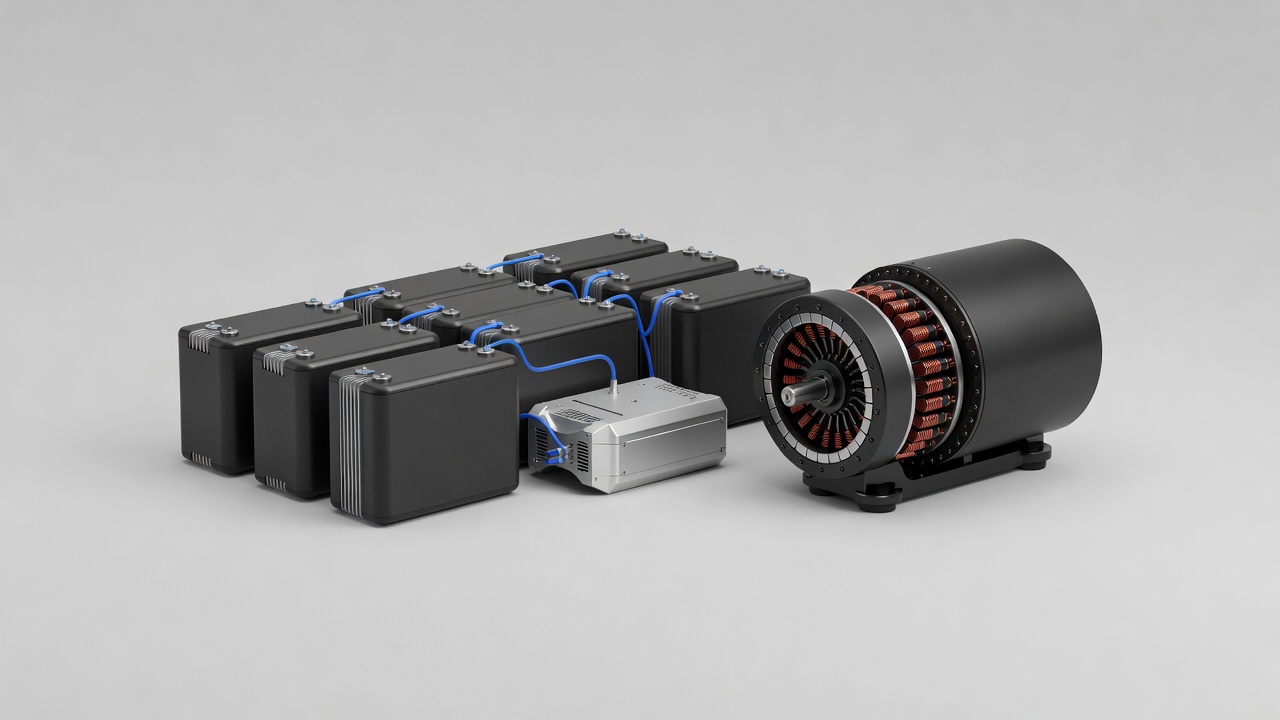
Hybrids move the trade-off rather than removing it
In a series hybrid, an engine can drive a generator that supplies electrical propulsion. In a parallel hybrid, a mechanical power path and an electrical path can contribute to propulsion. Actual arrangements vary, and some systems use batteries to support particular phases of flight. Carrying more than one energy-conversion path may improve mission flexibility, but it also introduces equipment, integration and maintenance obligations.
A hybrid does not become emissions-free because a propeller is driven electrically. Fuel consumption still matters, as do the source of any charged electricity and the mission used for comparison. A hydrogen fuel cell has a different chain again: hydrogen storage, fuel-cell operation, power conditioning and heat rejection must all be considered. Hydrogen production and delivery remain relevant even if there is no carbon dioxide emitted by the fuel cell itself during use.
A clean-looking propulsion installation is not a lifecycle assessment.Editorial synthesis; see the European Aviation Environmental Report for broader environmental context.
Read programmes as evidence, not as interchangeable products
The Pipistrel Velis Electro gives readers a concrete certified-aircraft reference, with the scope of its approval established by EASA documentation. NASA’s X-57 Maxwell was a research project; NASA announced its project closeout in 2023, before a first flight. That history is a useful reminder that valuable research and commercial aircraft delivery are different outcomes. Neither example should be stretched into a generic claim about regional airline capability.
Rolls-Royce’s ACCEL “Spirit of Innovation” aircraft is another research and demonstration reference. Airbus’s ZEROe work belongs in a discussion of hydrogen architectures and development, not a claim that hydrogen airliners are already available to book. Programme descriptions and schedules can change. This guide uses these names to explain categories and dated history, not to give a live product catalogue.
Ask for a fair comparison
A meaningful efficiency comparison holds the useful mission steady: passengers or cargo delivered, route, weather assumptions and reserve basis. It states whether energy is measured at the aircraft, at the charger or further upstream. It also distinguishes local exhaust emissions from electricity generation, fuel production, manufacturing and replacement impacts.
Electric propulsion can offer important opportunities, particularly where a well-defined short mission matches its strengths. The credible case is built from system boundaries and operational evidence. It is weakened, not strengthened, by calling every electrically driven aircraft zero-emission without saying what has been counted.