Before asking how far an electric aircraft can fly, ask what useful work it must do. Carrying an instructor and a student around a local aerodrome is different from carrying passengers and baggage across water. The aircraft may spend similar time airborne, yet face different payload, reserve, weather and diversion requirements. A credible comparison begins with a mission definition rather than a manufacturer’s most favourable range figure.
Write that definition in plain language: the intended occupants, baggage allowance, runway conditions, likely weather, planned frequency and an acceptable recovery plan when a flight cannot depart. This is not a substitute for operational planning. It is a way for readers to see which assumptions a technology claim leaves unstated.
Start with the useful load
An aircraft must accommodate structure, propulsion equipment, stored energy and useful load within its approved limits. Increasing battery capacity is not a free range upgrade: the additional mass has to be carried, housed, cooled and protected. It may change the space available for passengers or the amount of payload that can leave a particular runway on a warm day.
Unlike fuel, a battery does not become meaningfully lighter as its usable energy is discharged. That distinction matters throughout the mission, including landing. It does not prove that battery aircraft are impractical; it explains why they must be designed and assessed for a particular task. NASA’s electrified-aircraft research is useful background because it treats propulsion as an integrated aircraft problem, not merely a motor replacement.
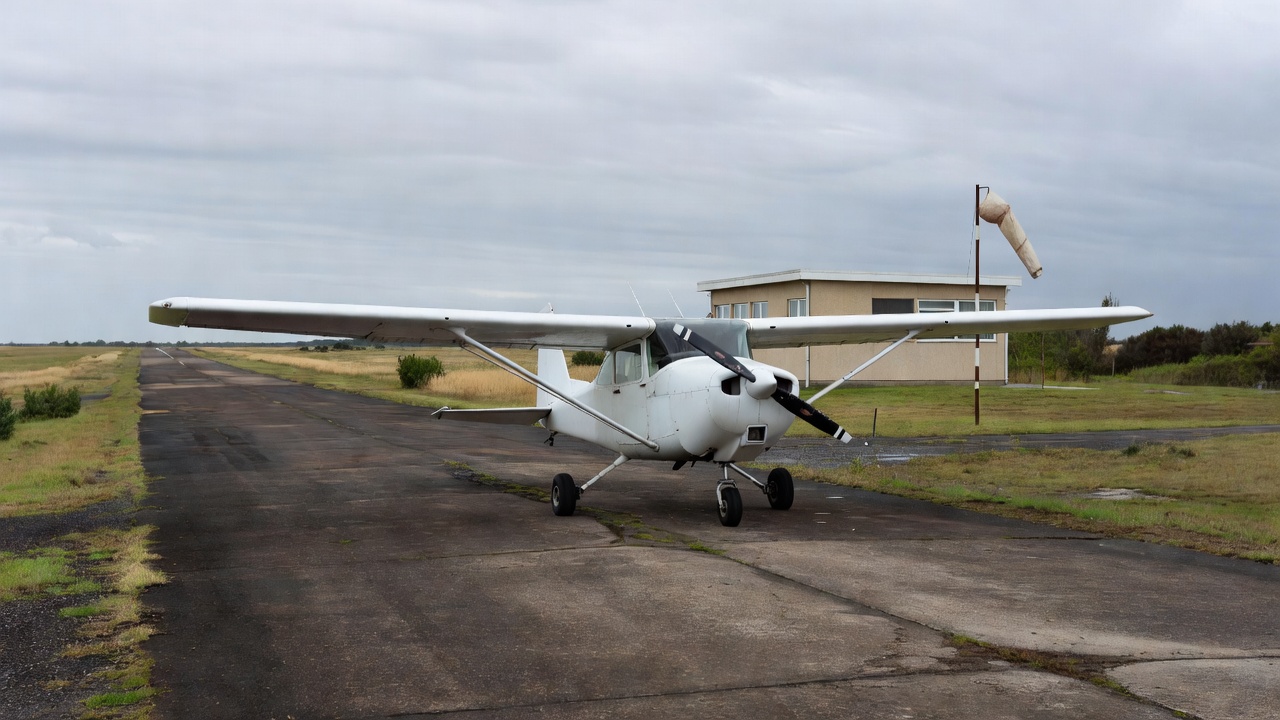
Do not spend the reserve twice
A published distance is difficult to interpret without knowing what remains at arrival. Does it represent a demonstration flight, an engineering target or an approved operating capability? What assumptions were made about wind, climb, payload and reserves? Was the aircraft new, or was the calculation intended to accommodate a battery later in its service life?
Operational reserve requirements depend on the aircraft, jurisdiction and type of operation. There is no single percentage that readers can safely apply to every electric design. EASA and the UK Civil Aviation Authority publish the relevant regulatory material; the important editorial habit is to ask which rule and which operational scenario a claim uses. Energy assigned to a diversion cannot also be counted as normal destination range.
The shortest line on a map is not a complete flight plan.Editorial interpretation of mission planning and EASA air-operations requirements.
Three missions that should not be merged
Local training can offer repeated flights returning to the same base, with maintenance and charging concentrated at one location. EASA’s 10 June 2020 announcement of the Pipistrel Velis Electro certification is an important historical example. It establishes a specific certification milestone for a specific aircraft. It does not establish the suitability of that aircraft for an airline route or make every proposed electric trainer approved.
Island and remote connections may offer a strong reason to preserve aviation even where passenger numbers are modest. Yet water crossings, limited alternates, exposed airfields and cargo needs can make the engineering problem harder. A community’s dependence on the link raises the importance of dispatch reliability. A conventional aircraft held in reserve is not an operational detail to omit from a whole-system assessment.
Regional scheduled services add timetable recovery, passenger handling and repeat turnrounds. A route that fits once may not fit a full day if charging takes longer than the ground slot, if the grid connection is constrained, or if batteries need additional cooling. Ask about the operating pattern, not only the longest flight.
Runways and vertical lift are different propositions
Conventional takeoff, short takeoff and vertical takeoff solve different access problems. A vertical-lift aircraft can avoid some runway requirements, but hovering and transitioning introduce their own power, control and infrastructure demands. Joby Aviation and Archer Aviation are useful real-world names to recognise in powered-lift coverage, not evidence that every short regional mission should use that architecture. Their current approval or operating status must be checked separately with the relevant regulator.
Likewise, Eviation Alice and Heart Aerospace’s ES-30 are names readers may encounter in regional-aircraft reporting. A demonstrator, a development programme and an aircraft in authorised passenger service belong in separate categories. This guide makes no claim that either programme is presently operating scheduled passenger flights.
Use a mission card when reading a claim
A useful mission card records the route, payload, expected conditions, reserve basis, airfield facilities and daily flight pattern. Beside those fields, write the evidence type: approved manual, regulator document, manufacturer target or test report. Empty fields are not proof of failure, but they show where uncertainty remains. Only after that exercise should the discussion move to energy efficiency, operating cost or how many road journeys a proposed service might replace.
The result is a more demanding question than “Can it fly?” It is also a more useful one: can this particular aircraft perform this particular service, with a defensible margin, often enough to be worth operating?